Related Articles
- The Role of Quantum Encryption in Transforming Legacy Data Protection Practices for Businesses
- Top 6 AI-Powered Subscription Platforms Transforming Product Access and Affordability Since 2019
- Unseen Pitfalls: How Cognitive Overload in Finance Audits Undermines Checklist Effectiveness and Decision Quality
- The Silent Impact of Global Fiscal Shifts on Local Tax Date Practices No One’s Talking About
- How Cultural Narratives Shape Personal Budgeting: Unseen Influences Behind Financial Template Choices
- Top 6 Underrated Payment Tools Released Since 2019 Changing How Stores Handle Transactions
Top 7 Cutting-Edge Solutions Launched Since 2019 Revolutionizing Retail Checkout Experiences
Top 7 Cutting-Edge Solutions Launched Since 2019 Revolutionizing Retail Checkout Experiences
Top 7 Cutting-Edge Solutions Launched Since 2019 Revolutionizing Retail Checkout Experiences
The retail landscape has undergone transformative changes over the past few years, particularly in the realm of checkout experiences. Since 2019, numerous innovations have emerged, significantly enhancing speed, convenience, and customer satisfaction. This article explores seven pioneering solutions that have reshaped how consumers interact with brick-and-mortar and online retail environments.
Each advancement reflects broader trends involving automation, AI integration, and seamless digital-physical harmony. Join us as we delve into these technologies that continue to influence the retail sector worldwide.
Understanding these developments offers valuable insights for retailers eager to stay competitive and for customers who increasingly expect effortless purchase journeys.
1. Contactless Payments and Mobile Wallets
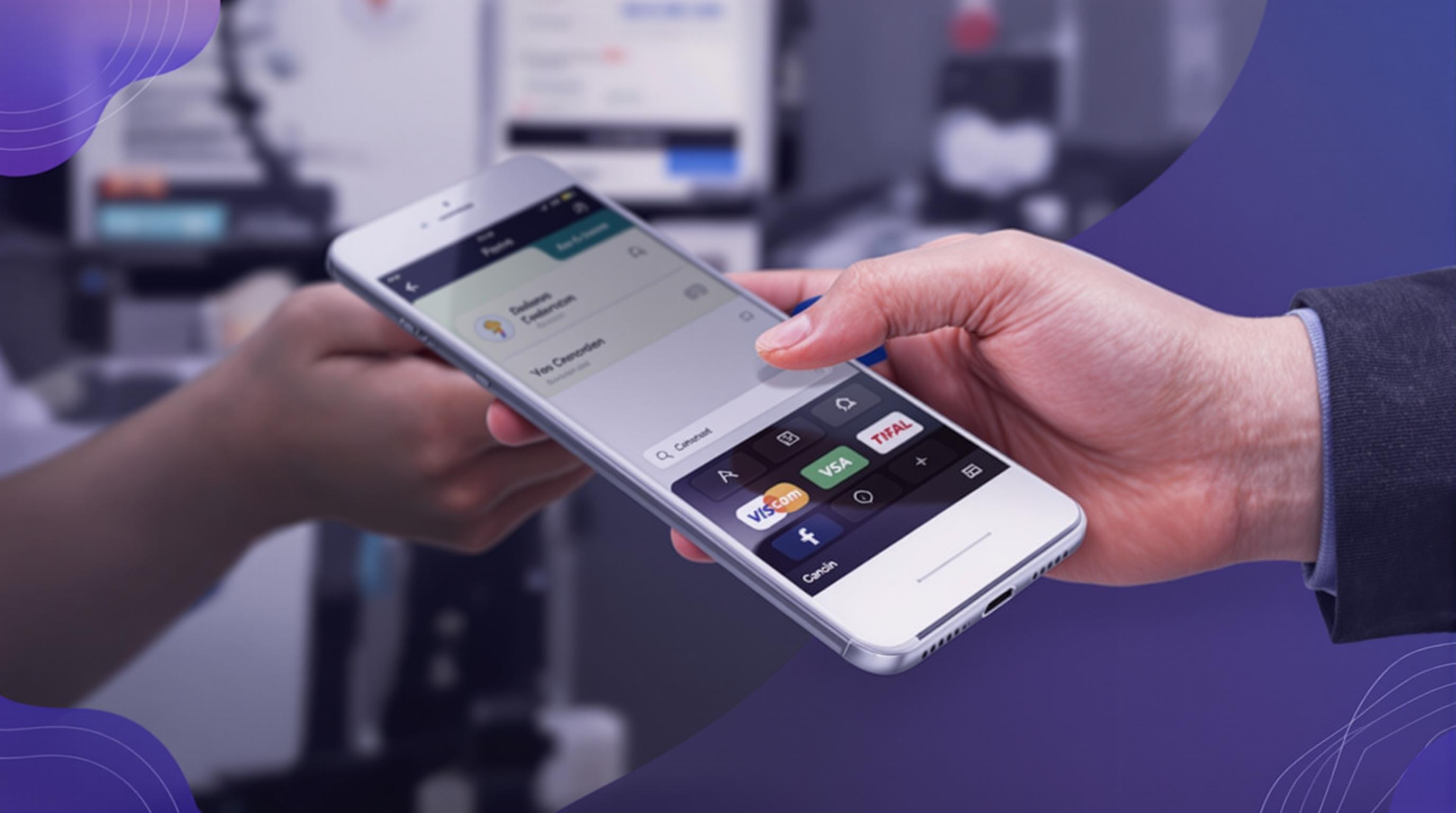
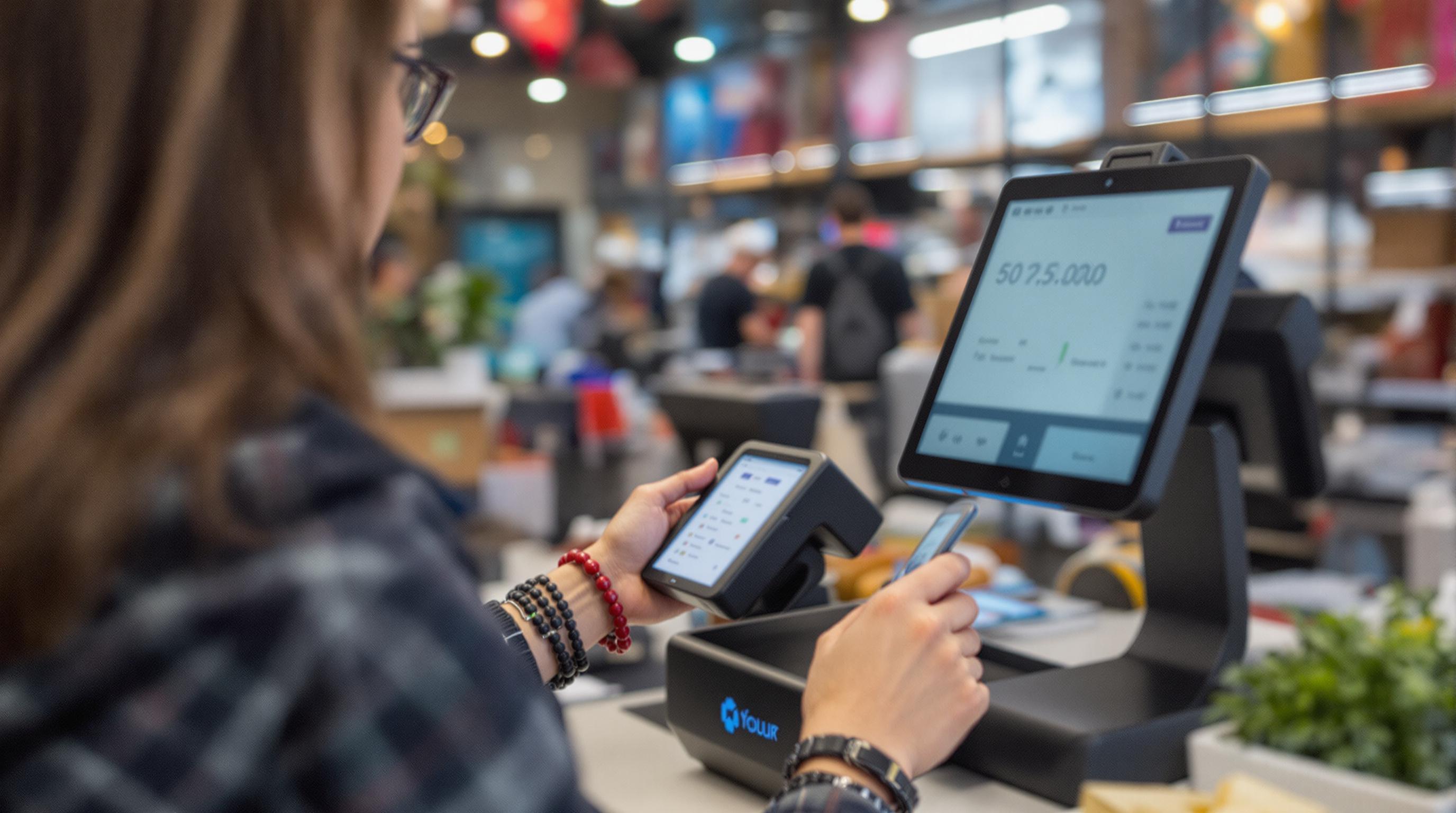
The adoption of contactless payments has surged since 2019, greatly accelerated by the global COVID-19 pandemic. Retailers implemented NFC-enabled terminals allowing customers to pay with a tap of their smartphones or contactless cards, minimizing physical interaction and checkout time.
Mobile wallets such as Apple Pay, Google Pay, and Samsung Pay have become ubiquitous, offering enhanced security through tokenization while enabling swift, touch-free transactions. According to the [Worldpay Global Payments Report 2021](https://worldpay.globalpaymentsreport.com/), contactless payments account for nearly 50% of all in-person card transactions in several developed markets.
This shift not only improved hygiene protocols but also paved the way for more sophisticated checkout frameworks integrating digital wallets into omni-channel retail strategies.
2. AI-Powered Self-Checkout Stations
Artificial Intelligence has heavily influenced the evolution of self-checkout systems. Advanced AI enables these stations to recognize products more accurately and offer real-time assistance, reducing errors and theft while enhancing user experience.
Brands such as NCR Corporation have developed AI-driven kiosks that utilize computer vision and machine learning algorithms to streamline scanning processes and provide personalized prompts to shoppers, drastically reducing checkout times.
Such intelligent self-service options empower shoppers who prefer minimal interaction with staff, aligning with the growing desire for autonomy and efficiency during purchases.
3. Amazon Go and Just Walk Out Technology
Perhaps the most talked-about innovation in retail checkout is Amazon’s Just Walk Out technology, debuted with Amazon Go stores. Employing an array of cameras, sensors, and AI-driven computer vision, shoppers can pick items and leave the store without physically checking out.
The system automatically detects which products are taken and charges the shopper’s Amazon account, effectively eliminating queues and cashier interactions. This revolutionizes retail convenience by making checkout invisible.
Since its 2018 launch, this technology has inspired several retailers worldwide to explore similar frictionless shopping experiences, fundamentally altering customer expectations.
4. QR Code Scanning for Instant Checkout
Innovation has also taken the form of QR code scanning at checkout, which gained prominence following contactless trends. Shoppers can scan product-specific QR codes using their smartphones, add items to a digital basket, and pay instantly via integrated payment gateways.
This solution empowers consumers to skip traditional checkout lanes and complete purchases independently, often accompanied by real-time promotions or loyalty rewards embedded within the app.
Retailers such as Walmart and Carrefour have experimented with QR code-based checkout apps, enhancing shopper engagement and operational efficiency.
5. Biometric Authentication for Secure Payments
Security and speed have found harmony through biometric authentication methods, including fingerprint scans, facial recognition, and iris scanning at checkout points.
This technology reduces fraud risks and expedites transaction processing by verifying identities swiftly. For instance, Alipay and WeChat Pay in China have extensively deployed facial recognition payment systems, enabling users to authorize purchases in seconds.
These systems promise to expand globally as privacy standards evolve and consumer trust in biometrics strengthens, heralding a new era in secure retail payments.
6. Voice-Activated Shopping and Checkout
Voice technology has slowly but surely entered retail checkout experiences. Integrating voice assistants such as Amazon Alexa and Google Assistant within stores and apps allows shoppers to add items to carts and finalize purchases using spoken commands.
Such advancements cater to accessibility needs and offer hands-free options for busy consumers, potentially reducing friction during the shopping journey.
For example, 7-Eleven piloted a voice ordering system leveraging AI voice recognition, highlighting how this emerging technology could soon become commonplace in retail environments.
7. Blockchain-Based Loyalty and Payment Systems
Blockchain technology is influencing retail checkout by enabling decentralized loyalty programs and transparent payment solutions. By integrating cryptocurrency payments and tokenized loyalty points, retailers offer customers novel incentives and flexible transaction options.
Starbucks has experimented with blockchain for rewards, while companies like VeChain facilitate supply chain transparency linking products at checkout to verified authenticity.
Though still in nascent stages, these solutions hint at future checkout experiences characterized by trust, customization, and new economic models within retail ecosystems.
Read More