Related Articles
- The Role of Quantum Encryption in Transforming Legacy Data Protection Practices for Businesses
- Top 6 AI-Powered Subscription Platforms Transforming Product Access and Affordability Since 2019
- Unseen Pitfalls: How Cognitive Overload in Finance Audits Undermines Checklist Effectiveness and Decision Quality
- The Silent Impact of Global Fiscal Shifts on Local Tax Date Practices No One’s Talking About
- How Cultural Narratives Shape Personal Budgeting: Unseen Influences Behind Financial Template Choices
- Top 6 Underrated Payment Tools Released Since 2019 Changing How Stores Handle Transactions

5 Unexpected Challenges in Store Payment Integration and How to Mindfully Navigate Them for Lasting Peace
5 Unexpected Challenges in Store Payment Integration and How to Mindfully Navigate Them for Lasting Peace
5 Unexpected Challenges in Store Payment Integration and How to Mindfully Navigate Them for Lasting Peace
Introduction
Integrating payment systems into a retail environment sounds straightforward but can quickly reveal unexpected challenges. These hurdles can disrupt operations, frustrate customers, and burden businesses with extra costs. Understanding these challenges early helps retailers navigate the integration process peacefully and ensures smoother long-term management.
With the growing variety of payment options—from contactless cards to mobile wallets—businesses must stay ahead by adapting to diverse technologies and customer expectations. However, some obstacles lie beneath the surface and aren’t immediately obvious at the planning stage.
This article explores five of the most unexpected challenges in store payment integration and offers mindful strategies to address them. By preparing for these issues, retailers can achieve lasting peace of mind throughout the integration journey.
Challenge 1: Compatibility Issues with Existing Infrastructure
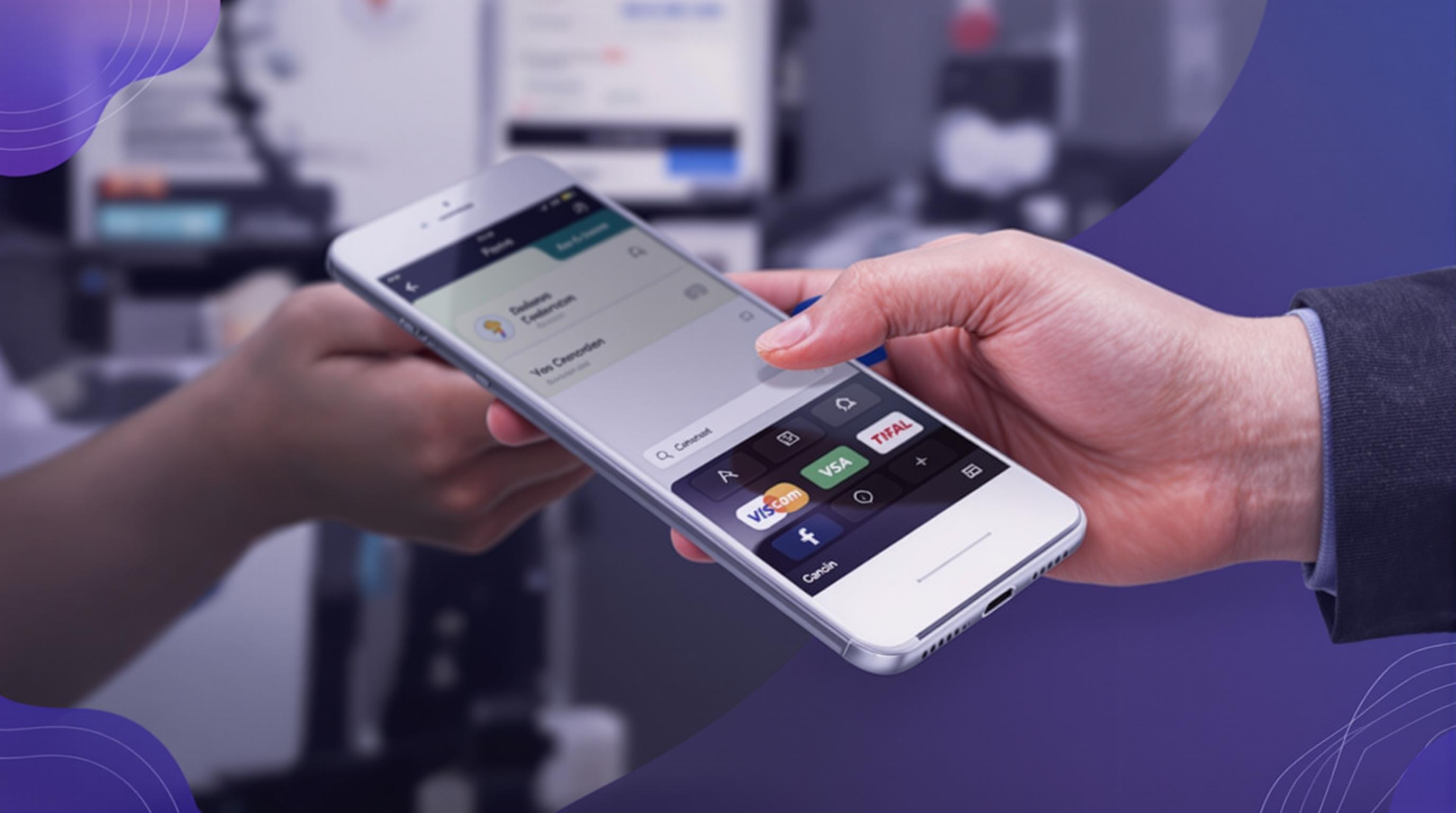
One common hurdle is ensuring the new payment system works seamlessly with current hardware and software. Retailers often discover that terminals, inventory systems, or point-of-sale (POS) software are outdated or incompatible with modern payment technologies.
For example, older POS systems may not support chip card readers or NFC-based mobile payments. Attempting to retrofit these systems without thorough testing can cause transaction failures, data syncing errors, or slower checkout times, frustrating both staff and customers.
Mindful navigation involves conducting an in-depth technical audit before implementation. Collaborating with vendors to understand system requirements and testing integration in a controlled setting can prevent costly surprises on launch day.
Challenge 2: Data Security and Compliance Complexities
Payment integration brings heightened responsibility for protecting consumer and business financial data. Compliance with standards such as PCI DSS (Payment Card Industry Data Security Standard) is mandatory but often underestimated in complexity.
Retailers must secure payment data throughout the capture, transmission, and storage phases. Failing to meet these requirements can lead to severe penalties, lost customer trust, and operational disruptions if breaches occur.
To mindfully manage this challenge, businesses should engage cybersecurity experts and invest in staff training. Regular audits and selecting payment gateways with robust encryption and tokenization methods help maintain compliance and peace of mind.
Challenge 3: Integration with Multiple Payment Methods
Today’s customers expect to pay via numerous methods—credit cards, debit cards, digital wallets, buy-now-pay-later programs, and even cryptocurrencies. Integrating all these into a single seamless process is often more complicated than anticipated.
Each method may have different processing times, fee structures, and technical requirements. Coordinating these can create reconciliation headaches and complicate cash flow forecasting for the business.
Mindful navigation means prioritizing scalable and flexible payment platforms that simplify multi-method management. Businesses should also clearly communicate payment options to customers to minimize confusion and ensure swift transactions.
Challenge 4: User Experience Challenges for Staff and Customers
New payment systems can disrupt the familiarity staff and customers have with checkout processes. Complex or unintuitive interfaces create delays, increase errors, and elevate stress during busy periods.
Customers may feel frustrated if payment options are unclear or transactions take too long. Meanwhile, staff may struggle if training is insufficient, leading to poor customer service and operational inefficiencies.
Mindful preparation requires investing in comprehensive training sessions for employees alongside user-friendly system design. Soliciting feedback from front-line teams and customers during pilot phases can help refine the experience for everyone involved.
Challenge 5: Hidden Costs and Vendor Lock-In
Integrating payment solutions can involve hidden expenses such as transaction fees, software licensing, hardware upgrades, and maintenance charges. These costs often emerge post-integration, impacting profitability.
Furthermore, selecting a payment vendor without considering exit options may lead to vendor lock-in, limiting flexibility to switch providers as better technology or pricing becomes available.
To navigate mindfully, retailers should perform detailed cost analyses and negotiate transparent contracts upfront. Choosing solutions that support interoperability and open standards helps avoid restrictive vendor dependence and preserves future business agility.
Conclusion
Successful store payment integration goes beyond technology — it requires anticipating hidden challenges and dealing with them in a proactive, mindful manner. From compatibility to compliance, user experience to costs, every aspect demands careful thought.
By addressing these five unexpected challenges thoughtfully, retailers can reduce disruptions, increase operational efficiency, and provide customers with a smooth payment experience. This holistic approach establishes lasting peace of mind throughout the integration process and beyond.
For more insights on payment trends and retail technology, sources such as the PCI Security Standards Council (pcisecuritystandards.org) and industry reports by McKinsey provide valuable guidance.
Read More