Related Articles
- The Role of Quantum Encryption in Transforming Legacy Data Protection Practices for Businesses
- Top 6 AI-Powered Subscription Platforms Transforming Product Access and Affordability Since 2019
- Unseen Pitfalls: How Cognitive Overload in Finance Audits Undermines Checklist Effectiveness and Decision Quality
- The Silent Impact of Global Fiscal Shifts on Local Tax Date Practices No One’s Talking About
- How Cultural Narratives Shape Personal Budgeting: Unseen Influences Behind Financial Template Choices
- Top 6 Underrated Payment Tools Released Since 2019 Changing How Stores Handle Transactions
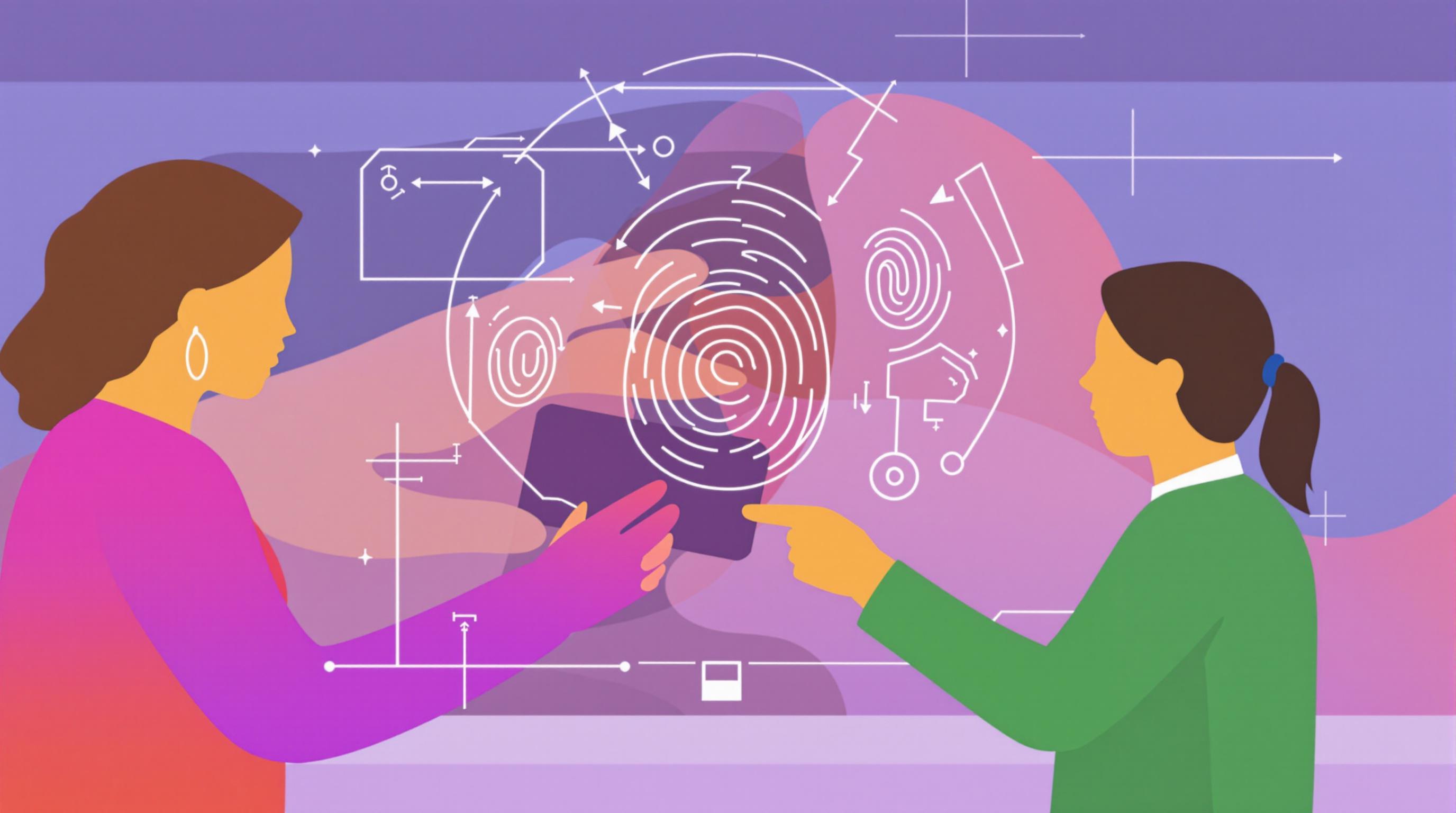
The Untold Role of Biometric Data in Crafting Invisible Payment Experiences at Retail Checkout Points
The Untold Role of Biometric Data in Crafting Invisible Payment Experiences at Retail Checkout Points
Biometric data is revolutionizing retail checkout experiences by making payments virtually invisible and remarkably swift. This article explores how fingerprint scans, facial recognition, and other biometric technologies are quietly transforming the way consumers pay, blending convenience with security.
A Glimpse Into the Future: The Rise of Invisible Payments
Imagine walking into your favorite store, grabbing what you need, and walking out without a single beep, beep, beep at the checkout. The cashier doesn't even have to scan your items or swipe your card — the entire transaction happens automatically using biometric data.
Invisible payment systems, powered by biometrics, promise to deliver this futuristic experience, enhancing customer convenience while cutting down on fraud and checkout times.
Why Biometric Data Matters in Retail
Biometric data — fingerprints, facial recognition, iris scans, and voice recognition — goes beyond passwords or cards by uniquely identifying individuals. This makes fraudulent transactions harder and speeds up the process dramatically.
According to a 2023 study by Grand View Research, the global biometric system market is expected to reach $65 billion by 2027, growing at a compound annual rate of 19.2%. This growth is largely fueled by retail and payment industries seeking more seamless verification methods.
The Age Factor: Insights from a 52-Year-Old Retail Analyst
As someone who has witnessed the evolution of checkout from cash registers to contactless cards, I find biometric payment systems an elegant blend of technology and user experience design. It’s not just about speed; it’s about eliminating friction, which millennials and Gen Z, in particular, deeply appreciate.
Case Study: Amazon Go
One of the pioneering examples is Amazon Go. The concept behind these stores is "Just Walk Out" technology, which relies on cameras, sensors, and AI to identify shoppers and their purchases. While not purely biometric in the traditional sense, the integration of facial recognition helps link the shopper’s identity and payment method invisibly.
Customers report spending 30-50% less time in checkout lines, emphasizing that the convenience factor isn’t just marketing fluff but a measurable benefit.
The Security Tightrope: Balancing Safety and Privacy
Now, let’s talk about the elephant in the room—privacy. Many people worry about handing over their biometric data to retail companies. Could it be misused? Leaked? Sold?
Retailers are addressing these concerns by adopting decentralized biometric data storage and techniques such as template protection, where raw biometric data isn’t stored but transformed, defying reverse engineering attempts.
Take Mastercard’s biometric card pilot programs, which use fingerprint sensors embedded on cards. The biometric data stays on the card chip itself, not transferring to any external servers, an approach that fosters trust among users.
A Humorous Interlude: Can Your Thumb Save You From the "Card Not Authorized" Panic?
Ever been at the checkout with a rejected card and that awkward moment when you fumble for cash or your phone? Biometric systems eliminate this nightmare. Your thumbprint or face replaces your card, making declined purchases a thing of the past. It’s like your finger has become your personal bouncer at the payment door.
The Psychology Behind Invisible Payments
Studies reveal that a smooth payment experience increases repeat visits by 25%. When customers aren’t distracted by fumbling with wallets or PINs, their overall shopping satisfaction surges.
Neurologists suggest that reducing cognitive load during payment activates reward centers in the brain, reinforcing positive associations with the retail environment.
Global Adoption and Cultural Nuances
While biometric payment systems are booming in North America and parts of Europe, Asia—especially China—is leading the charge. Platforms like Alipay and WeChat Pay have incorporated facial recognition payments in convenience stores, cafes, and even vending machines.
In China, for instance, nearly 70% of urban consumers use biometric authentication daily, which has normalized the technology and reduced resistance.
Conversational Take: What Does This Mean For You?
Hey, whether you’re 16 or 70, next time you shop, consider how these behind-the-scenes biometric systems are making your life easier. No more fumbling with cards or cash, and fewer security worries. Plus, it’s kind of cool to be recognized by your own fingerprint or smile, don’t you think?
Challenges and Limitations
Despite its promise, biometric payment systems face hurdles. Not everyone’s fingerprint is easily scannable—doctors or manual workers may have worn prints. Facial recognition systems struggle in low lighting or with face coverings, a challenge highlighted during the COVID-19 pandemic.
Moreover, the initial setup costs for retailers can be high. Installing biometric hardware, integrating with point-of-sale systems, and ensuring data protection demand significant investment and technical expertise.
Conclusion: Stitching Together the Invisible Fabric of Payment Innovation
Underneath the surface of our everyday retail visits, biometric data is orchestrating a revolution, making payments invisible, secure, and lightning-fast. Retailers gain operational efficiency; consumers enjoy effortless convenience, and the combined effect is a more satisfying shopping experience.
As this technology matures and addresses current challenges, biometric-based invisible payments will increasingly become the norm rather than the novelty.
Final Thought from a 33-Year-Old Tech Enthusiast
Using biometrics for payments is like giving your fingerprint a VIP pass to the shopping world. It may sound sci-fi, but it’s happening now—and the only thing left to do is smile, wave your thumb, and buy that latte effortlessly.
Sources:
- Grand View Research. (2023). Biometrics Market Size, Share & Trends Analysis Report.
- Amazon Go official website: https://www.amazon.com/b?node=16008589011
- Mastercard Biometric Cards Pilot (2022).
- Chinese Consumer Behavior Study, 2023.
Read More